All Categories
Featured
Steps to Obtain Best Medicare Medigap Coverage
Table of Contents
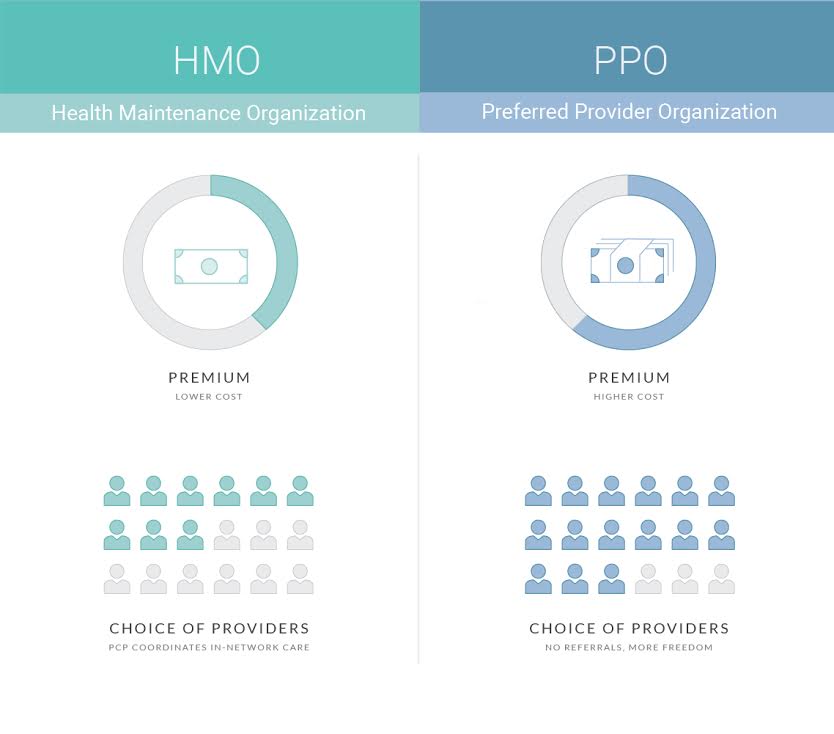
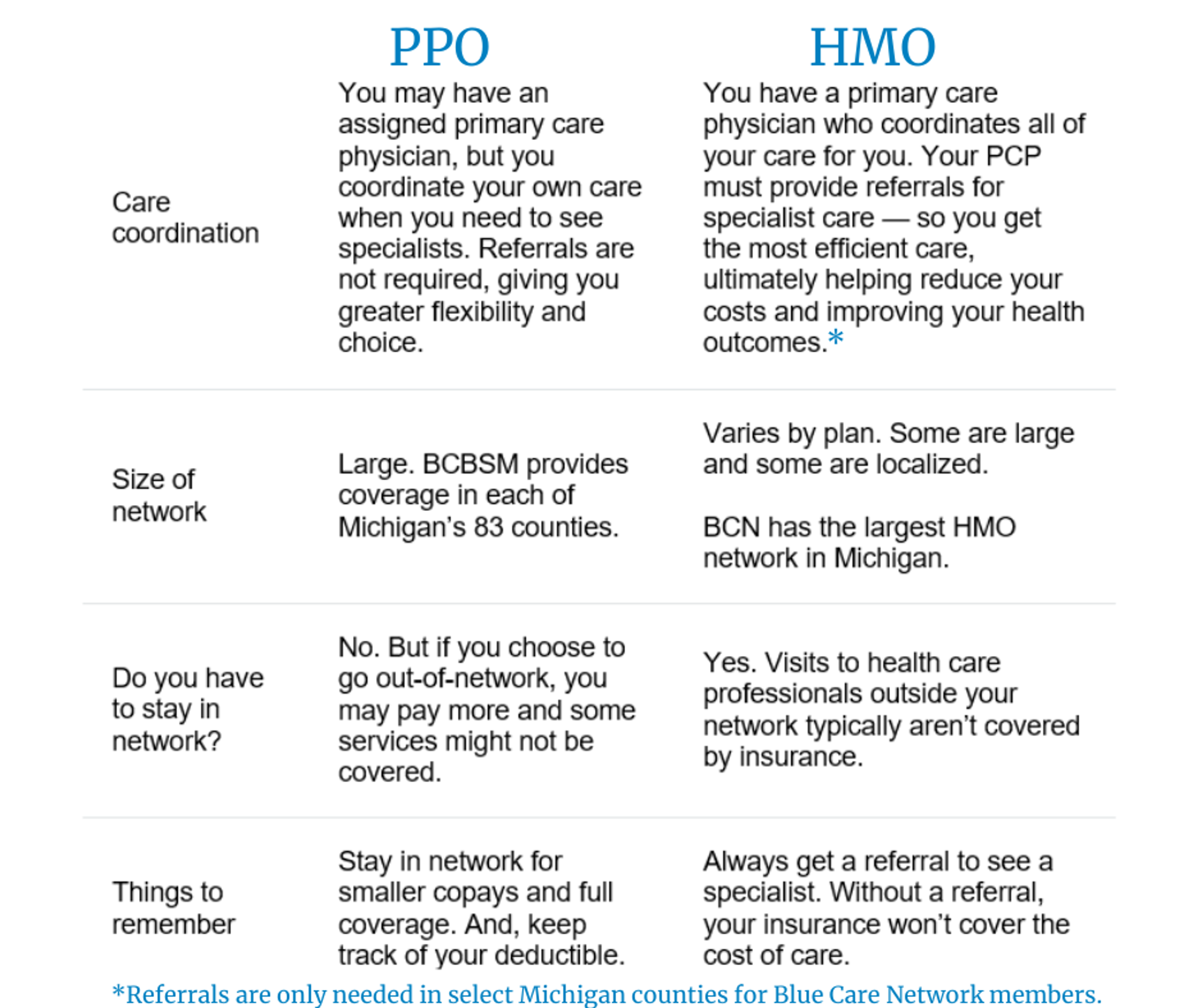
An HMO insurance coverage strategy is often regarded as being more cost-effective due to its lower month-to-month premiums and convenient due to its requirement that patients must have a medical care physician to handle their care. A PPO insurance strategy is understood for its versatility as it permits clients to manage their own care and look for various providers/specialists without needing a recommendation.
Comparable to basic insurance coverage strategies, the two primary Medicare Advantage plans are HMO and PPO.While HMO and PPO insurance coverage plans continue to be the most typical choice for patients to pick from, there are a range of other insurance coverage alternatives. HMO and PPO insurance coverage strategies are the two most common health care insurance plans in the United States.
While these insurance coverage plans are different, they are comparable in the sense that they supply a patient with a network of medical professionals, hospitals, and other doctor that help members with their health-care journey. "HMO" functions as an acronym for "Health care Company," while "PPO" acts as an acronym for "Preferred Service Provider Organization." An HMO insurance coverage strategy is focused around a variety of health centers and health care providers (described as an "HMO network") that have actually concurred to treat patients within the network's insurance coverage strategy. A referral is essential for a patient to see other experts that are in-network or out-of-network, and frequently, receiving out-of-network care only occurs in emergency scenarios. Nevertheless, this plan provides lower monthly premiums for its customers, making it a cost-effective insurance option. Low monthly premiums. Not as numerous claims to submit due to in-network care.
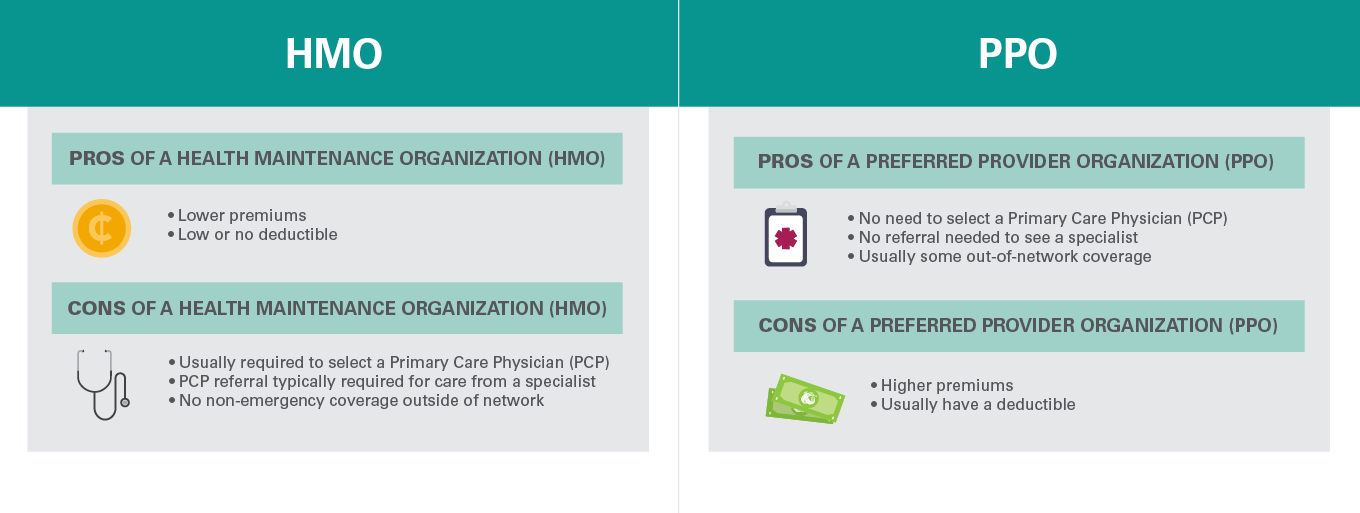
Frequently, lower expenses for prescriptions. A client can just see suppliers within the plan's network unless they have a recommendation for an outside professional, or it's an emergency scenario. Like an HMO strategy, a PPO insurance plan provides a patient with a network (described as a "PPO network") of health care companies and medical facilities.
Asset Security with Modern Life Insurance
This strategy also lets the client coordinate their care and manage which companies they wish to see, versus having a medical care doctor. The patient has more flexibility with which service providers they select to see, whether they're within the strategy's network or out-of-network. Many times, there is no requirement for a referral if a patient cares to see an out-of-network specialist.
The client is accountable for managing their health care, vice a medical care doctor being in charge. A 'provider network' refers to the list of doctors, professionals, healthcare facilities, etc that an insurance coverage agency agreements to provide medical services to its strategy members. Suppliers that are 'in-network' refer to the healthcare workers and healthcare facilities that are noted in the plan.
The costs associated with an HMO strategy include deductibles, which is the quantity a patient need to pay before insurance contributions, and monthly premiums, which is the amount secured of a patient's income. Typically, the regular monthly premiums gotten with an HMO strategy are lower than a PPO plan's premiums.
Yearly, this caused a $6,869 coverage on people and $19,445 protection on families, revealing a lower month-to-month premium in contrast to a PPO plan type. Deductibles, month-to-month premiums, and copays are expenses frequently associated with a PPO strategy. A lot of times, the regular monthly premiums are taken out with a PPO plan that is more expensive than an HMO strategy's premiums.
Comparing PPO Provider Flexibility and Monthly Costs
According to the Kaiser Household Structure 2018 Health Advantages Study, all companies utilizing a PPO insurance plan paid $592 as the month-to-month premium on a private and $1,694 as the regular monthly premium on a household. Annually, this led to a $7,149 coverage on people and $20,324 coverage on families, revealing a greater monthly premium in comparison to an HMO strategy type.
When attempting to choose which strategy is best, there are numerous elements to think about, with some of the most crucial being flexibility, cost performance, and coordination of care. If it's versatility that is essential, then a PPO insurance coverage strategy may be a better fit for they allow a client to have more control over which providers they see and when, no matter a recommendation.

Another advantage to an HMO plan is that it needs a client to have a medical care physician that coordinates their care for them. This indicates that with a PPO insurance coverage plan, the client will need to handle their own care and oversee which providers/specialists they require to go to. In the end, one plan is not considered better than the other.
Medical insurance plans do not cover dental insurance. To learn more on getting an oral strategy, such as an oral HMO plan, 'DHMO plan,' or a dental PPO strategy, 'DPPO strategy,' go to this resource. Once an American (who has been paying Medicare taxes for a minimum of 10 years) turns 65, they receive the health insurance coverage strategy referred to as Medicare.

Latest Posts
Reviewing 2026 Term Life Insurance Quotes
How Whole Insurance Builds Family Security

Evaluating HMO or PPO Health Plans